


Oil’s emotional story right now is a tug-of-war. One side of the market is anchored in a bearish oversupply thesis—the idea that 2026 will be weighed down by supply growth and uncertain demand. The other side is fueled by headline risk—Iran tensions, Venezuela developments, and the constant possibility that geopolitics disrupts barrels just long enough to trigger a sharp squeeze. That clash is shaping investor confidence: not outright panic, but a restless, argumentative market sentiment that flips on every incremental headline.
Mood at Market Open: A Skeptical Tape With “Buy the Dip” Reflexes
The day begins with skepticism. Even when crude catches a bid, traders are quick to question whether the rally has legs. That skepticism is grounded in forecasts: a Reuters poll of analysts points to 2026 oil prices easing under pressure from ample supply and weaker demand, with Brent averaging roughly the low $60s in those projections.
That kind of headline sets a tone: the market starts the day thinking in averages, surpluses, and balance tables—not in breakouts.
Catalyst: What Changed and Why
Then comes the catalyst that keeps oil from becoming a one-way bear trade: geopolitical risk. Even in a market framed by surplus, traders can’t ignore disruption potential. One market quick-take explicitly pointed to commodities gaining on Iran tensions, helping keep crude supported even as macro uncertainty lingers.
Meanwhile, OPEC+ policy and Venezuela remain part of the daily narrative. The Reuters poll notes OPEC+ held output unchanged through early 2026, which may limit near-term volatility, but it “does not materially alter the underlying surplus,” as one energy forecaster put it.
That single sentence is basically the market’s split-screen mindset: short-term support from politics and policy, long-term pressure from fundamentals.
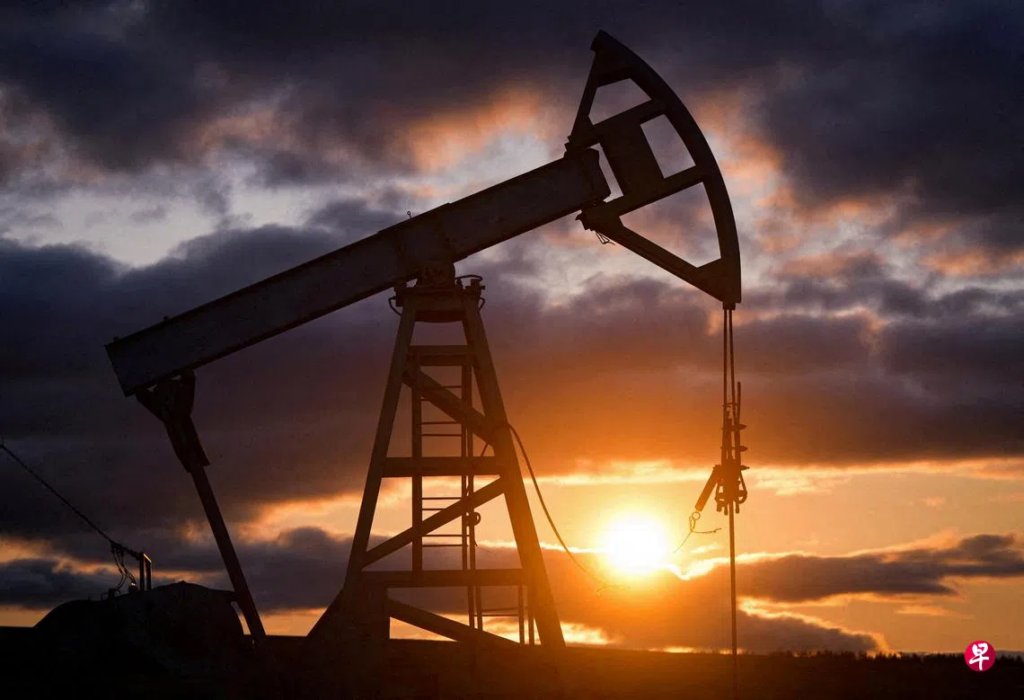
Sentiment Shift and Market Reaction: Whipsaw Psychology Takes Over
Once both narratives compete, oil trading becomes psychological. The oversupply bears lean into rallies as selling opportunities—“fade strength until demand proves itself.” The geopolitical bulls keep a tight watchlist of headlines and treat dips as entries—“you don’t want to be short if disruption hits.”
You can see this in social buzz patterns: discussions aren’t just “price target” talk. They’re argument threads about probability—how likely is actual disruption vs just noise? The crowd’s emotional state is combative rather than euphoric: confident in their thesis, but constantly forced to defend it as the tape refuses to pick a clean direction.
The Human Element: The Market Trades Narratives, Not Just Barrels
If you want the crowd pulse, you don’t look only at charts—you look at what traders are repeating. Today, it’s phrases like: “surplus until proven otherwise” versus “one headline away from a spike.” That’s the investor psychology: oil is both a macro asset and a geopolitical asset, and traders can’t decide which identity matters more this week.