

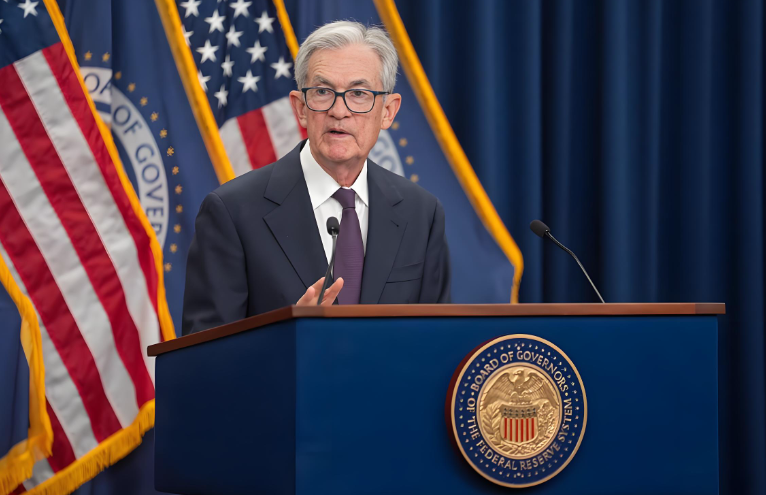
The U.S. dollar started the session wearing the swagger of a short-term winner—until it didn’t. Going into Monday, the vibe in FX had been broadly “risk-manageable”: the greenback had strung together a multi-day advance, and positioning looked like the usual early-year recalibration. But under the surface, investor confidence was brittle. Traders weren’t debating whether the Fed would eventually cut; they were debating whether the Fed would be allowed to act independently.
That’s why the headline shock landed like a rock. News that U.S. prosecutors had opened a criminal investigation involving Federal Reserve Chair Jerome Powell immediately hit the market’s emotional circuitry—less “economic surprise” and more “institutional stability scare.” Reuters described the dollar’s retreat as its sharpest decline in three weeks, with the dollar index snapping a five-day rally and slipping around 99.011.
In FX, narratives matter almost as much as numbers. A “Powell probe” headline isn’t just a political story; it’s a volatility story—and volatility is a sentiment amplifier. You could feel the crowd’s posture change: from confident trend-following to defensive questioning.
Catalyst: What changed and why
The trigger was the investigation itself—and, crucially, the framing around it. Powell publicly pushed back, warning that threats of indictment were being used as leverage to force rate cuts, according to Reuters coverage. That single idea—policy being pressured rather than guided by data—hit the dollar where it’s most sensitive: credibility.
The market’s immediate reaction looked like a classic “trust wobble” rotation. The dollar slipped versus major peers while safe havens lit up. Reuters flagged modest rebounds in the euro and sterling as the greenback softened, even while USD/JPY stayed supported by Japan-specific political chatter.
At the same time, macro traders began re-pricing near-term rate expectations at the margin. Reuters noted that investors were eyeing the next U.S. data points (including December CPI) and that markets nudged up the implied chance of short-term easing as the institutional fight escalated.
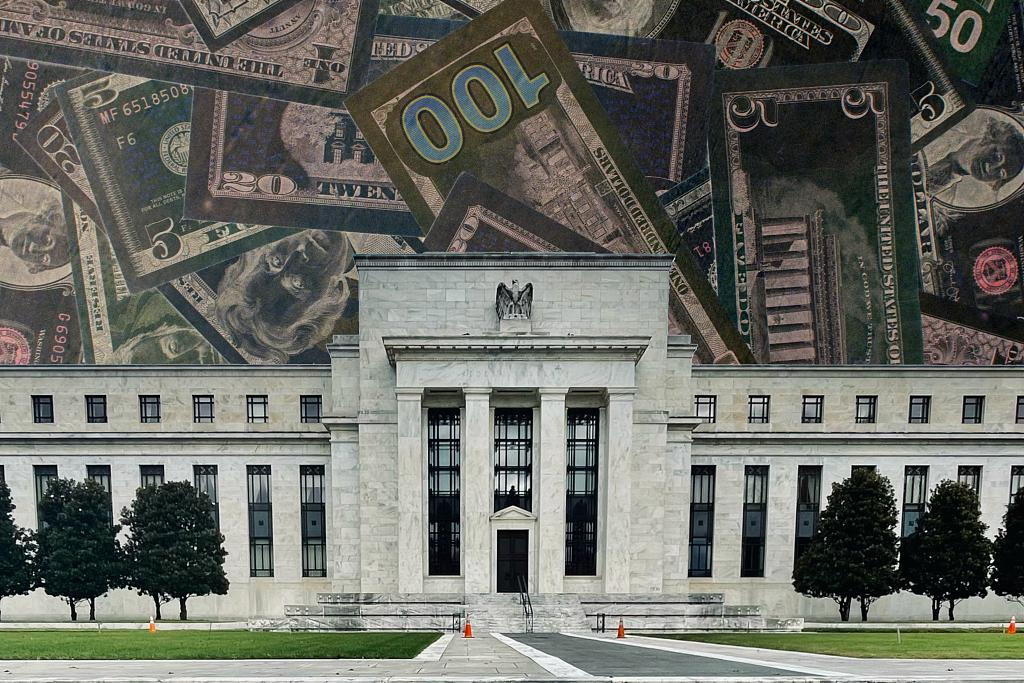
This is where investor psychology becomes the story. When markets sense “rules might change,” they stop leaning on their models and start leaning on their instincts. In FX, that often means reducing leverage, trimming crowded trades, and seeking optionality—especially when the catalyst is political and hard to handicap.
Sentiment Shift and Market Reaction: “debasement trade” whispers return
The most revealing part wasn’t the size of the DXY move; it was what outperformed the dollar. Gold did. And not quietly. Gold surged to a record above $4,600/oz on the same news cycle. The Financial Times captured the mood neatly: investors were suddenly trading the risk that political interference could suppress rates and feed a “debasement trade,” which is basically a fancy way of saying “confidence in the currency regime is eroding.”
That’s the emotional shift in one line: bulls and bears stopped arguing about the next payroll print and started arguing about the credibility of the referee.
Even standard risk gauges hinted at a market that was waking up to uncertainty. The St. Louis Fed’s FRED series shows the VIX recently printing in the mid-teens (around 15.45 on Jan 8), not panic—but enough to say complacency wasn’t absolute heading into this week. If the probe story keeps escalating, watch whether volatility pricing starts to reflect a more persistent anxiety rather than a one-day headline spike.
Social buzz followed the same emotional arc: the story wasn’t treated like “another Washington drama,” but as a threat to the plumbing of markets. The most repeated phrase across finance chatter was some version of “Fed independence.” One post on r/Gold summed up the crowd’s skepticism toward institutional forecasts with a blunt eye-roll:
“The same banks who thought gold wouldn’t go over $3,000 at the beginning of last year.”
That’s not a price target—it’s a mood: distrustful, defensive, and primed to buy hedges.