

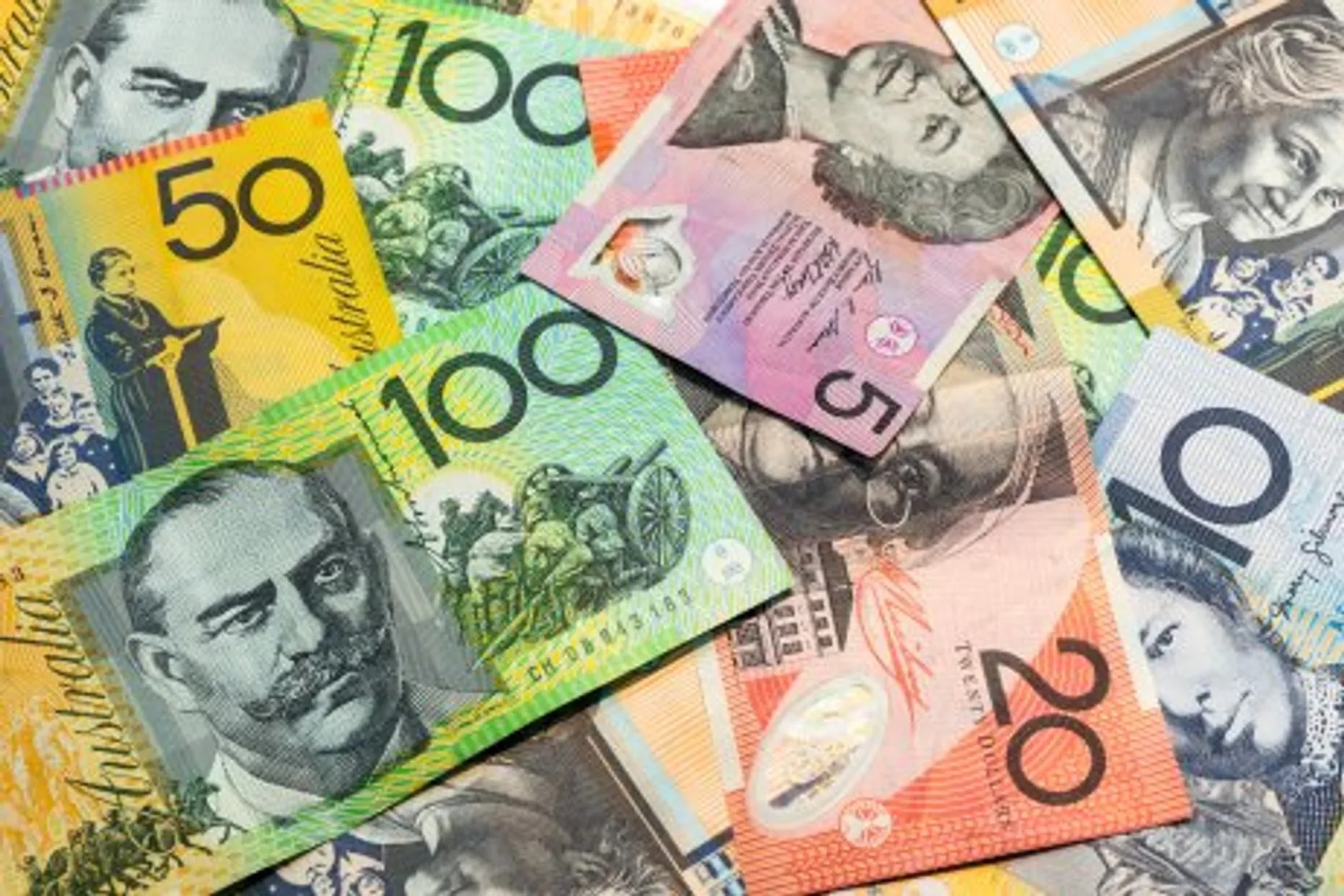
FX traders woke up to a market mood that felt like it had changed overnight: less defensive, more daring—but with a nervous edge that only currencies can deliver. The emotional center of today’s story wasn’t a single data print; it was belief. Belief that Australia’s central bank is serious about staying tough on inflation, belief that Japan’s political shake-up could make the yen less of a “one-way short,” and belief that the U.S. dollar may be losing its grip if the next jobs report confirms a cooling economy.
The result: the Australian dollar punched above $0.71 for the first time since February 2023, a move that immediately energized momentum traders and reignited talk of an AUD/USD breakout. At the same time, the yen stayed firm after Japan’s election outcome reshaped the so-called “Takaichi trade,” while the greenback wobbled ahead of U.S. non-farm payrolls.
This is what a sentiment-driven session looks like: price action that can be explained with rates and politics—but powered by psychology, positioning, and social buzz.
Mood at Market Open: “Show Me the Next Hike” Energy
In Asia, liquidity was thinner (Japan was on holiday), which tends to exaggerate emotional swings. Yet the tone was clear: investor confidence in the Aussie strengthened quickly as traders treated $0.71 like a psychological door that, once opened, invites a crowd through it. Reuters reported the Aussie trading around $0.7124, up roughly 0.7% on the day.
What made it feel “viral” in trader circles is how clean the narrative was: hawkish central bank + inflation still hot + market pricing more tightening. That is social-media catnip—simple, repeatable, and easy to turn into a chart screenshot with a one-line caption.
And importantly, the move wasn’t only technical. It had policy weight behind it.
Catalyst: What Changed and Why Everyone Started Talking About It
The spark was a fresh reminder from the Reserve Bank of Australia’s Deputy Governor Andrew Hauser that policymakers are not done. In Reuters’ words, Hauser warned inflation was still too high and the RBA would keep pressure on until it returns to target. His blunt message cut through the noise:
“Inflation at this level is too high…”
That one sentence is basically a sentiment catalyst. It tells bulls they aren’t imagining things, and it tells bears they may be fighting the wrong central bank.
The numbers backed it up. Reuters noted:
- The RBA lifted the cash rate 25 bps to 3.85% last week.
- Core inflation rose to 3.4% in Q4, and the RBA revised its expected peak to 3.7%—well above its 2–3% target band.
- Markets imply about a 70% chance of another hike to 4.10% at the May meeting.
Those are the kinds of figures that light up FX group chats. They don’t just change forecasts—they change permission structures. Suddenly, it feels “reasonable” to be long AUD again.
Sentiment Shift and Market Reaction: Bulls Chase, Bears Reframe
Once AUD/USD cleared $0.71, the emotional story shifted from “Australia might hike” to “Australia will hike unless inflation breaks.” That’s a big psychological upgrade. It invites two behaviors:
- Trend-followers re-enter (they don’t want to miss a breakout).
- Macro allocators reassess relative yield appeal (AUD as a G10 carry story again).
Reuters captured that shift through strategist commentary as well. OCBC’s Moh Siong Sim said the bank upgraded its Aussie view, raising its end-year forecast to $0.73 from $0.69, and stressed that the RBA’s move puts “additional focus” on whether it follows with more hikes.
This is where social media signals matter. When a clean narrative lands, it gets repeated: “hawkish hike,” “Aussie breakout,” “May hike odds,” and the classic bulls-versus-bears framing. In practice, that repetition becomes self-reinforcing: more attention → more participation → more volatility around obvious levels.
And volatility is the hidden co-author of today’s story. Reuters also emphasized that markets are staring at U.S. payrolls, with expectations for 70,000 jobs and unemployment around 4.4%—and that traders are already pricing roughly 60 bps of Fed easing by December.
That matters because AUD sentiment doesn’t exist in a vacuum: if the market mood turns “Fed cuts are coming,” high-beta FX like AUD often rides the wave.
Side Plot: The Yen’s Mood Swing and the “Takaichi Trade” Narrative
While the Aussie stole the spotlight, the yen provided an important sentiment backdrop: political clarity can change currency psychology fast. Reuters reported USD/JPY around 153.80 with the yen up nearly 0.4% on the day.
A memorable quote from Mizuho’s Vishnu Varathan described the election result as giving the new regime more control over “the… aspects of the so-called Takaichi trade.”
Whether traders agree with the thesis or not, the existence of a named trade is itself a social signal—something the crowd can rally around, debate, and position against.
What to Watch Next: Can This Confidence Hold, or Is It a Headline Spike?
This sentiment upswing has a clear vulnerability: it’s built on expectations. Two near-term checkpoints will decide whether today’s optimism becomes a trend or just a spike:
- U.S. non-farm payrolls (today): a weak print could extend the “Fed cuts” narrative and keep risk-sensitive FX supported; a hot surprise could snap the dollar back and dent AUD enthusiasm.
- Australia’s next inflation milestone: because May hike odds hinge on inflation staying sticky, any downside surprise in prices can quickly flip investor confidence back into doubt.
For now, the takeaway is simple: AUD/USD isn’t just moving on rates—it’s moving on mood. In a market where social buzz spreads instantly, the “hawkish RBA” storyline has become a sentiment engine. Just remember: when the crowd gets excited around a clean level like $0.71, the next chapter is often written by volatility—especially when the U.S. data calendar is about to speak.