

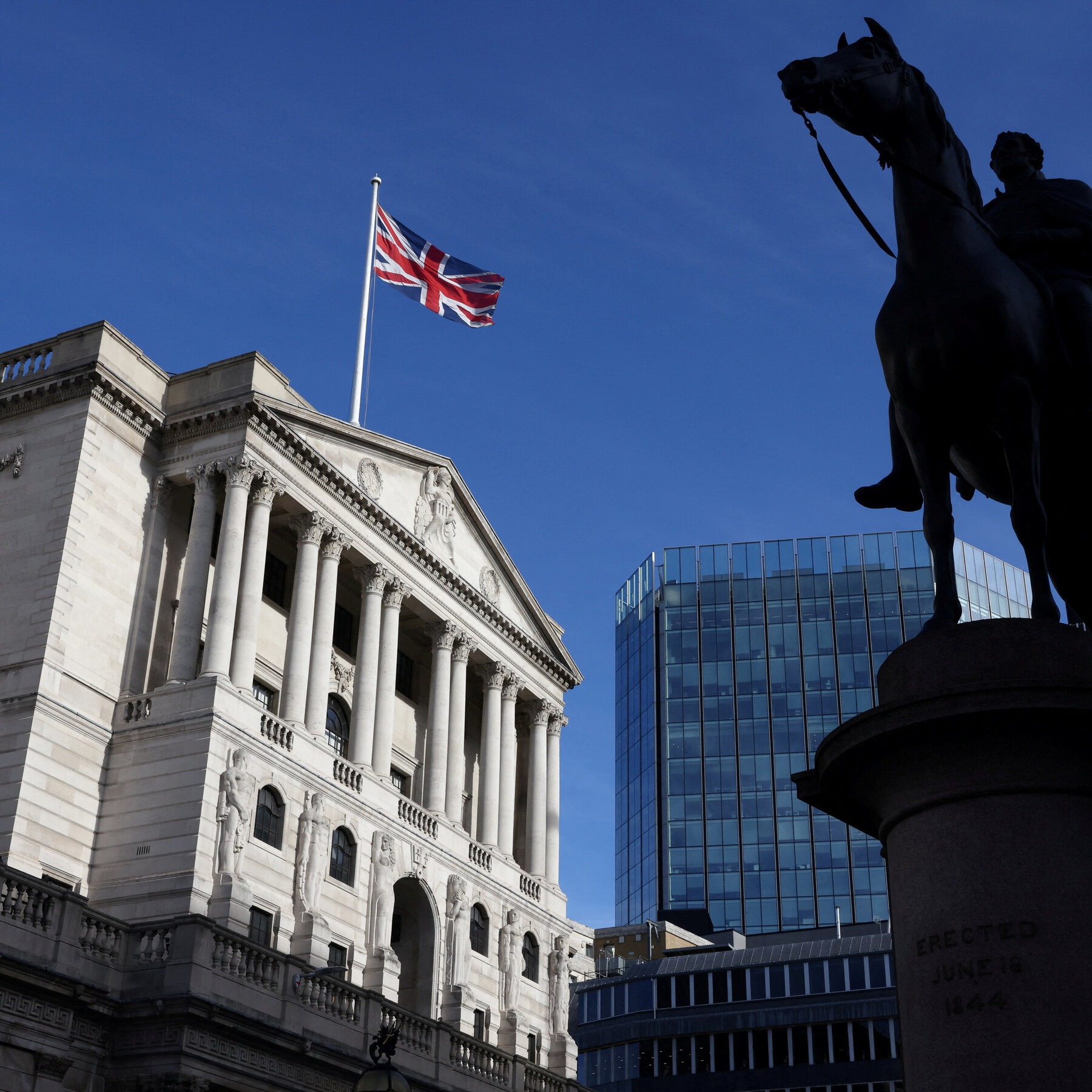
Sterling held firm into Thursday’s Bank of England (BoE) policy decision as markets coalesced around a Bank Rate hold at 3.75%, with traders pushing back the timing of the next cut amid stubborn inflation and sticky wage dynamics. The immediate context is a UK economy that hasn’t rolled over as quickly as rate-cut advocates hoped—while inflation remains elevated enough to keep policymakers cautious. Reuters reporting and economist surveys suggest most expect no move in February, with the next realistic cut window pushed into spring.
The Catalyst: Why the BoE Is Likely to Hit Pause (Again)
The core driver is a familiar central-bank trade-off: growth is soft, but disinflation is not yet “safe.” UK inflation was 3.4% in December, still well above the 2% target, and Reuters notes policymakers remain wary that wage growth and services inflation could keep price pressures sticky.
That backdrop matters because the BoE already cut once in December 2025—and it was close. The prior decision to lower rates to 3.75% passed by a narrow vote (5–4), underscoring a committee still divided between guarding credibility on inflation and supporting an economy losing momentum.
Recent business-survey signals added nuance: a Reuters report on UK PMI-style indicators described a mixed picture in which activity improved early in 2026, but pricing dynamics—particularly in services—remained a focus for the BoE when judging how quickly it can ease.
Put simply: the BoE can’t confidently “declare victory” on inflation, so it is incentivized to keep optionality—hold now, guide carefully, and let upcoming data (wages, services prices, and labor market slack) do the persuading.
“A hold is the path of least regret,” said Elena Marsh, a London-based FX macro strategist (fictitious). “Cut too soon and you risk re-igniting services inflation; wait a little longer and you preserve credibility—and keep the pound supported through rate differentials.”
FX Reaction: Sterling’s Support Comes from Rate Differentials, Not Euphoria
In FX markets, the transmission mechanism is straightforward: when traders believe the BoE will cut later and more gradually, UK yields tend to look relatively attractive versus peers, and sterling benefits.
Reuters and market commentary around the meeting emphasized that the baseline expectation is a hold, and that investors have increasingly priced no immediate move until at least April—a shift that helps explain sterling’s steadier tone.
This dynamic is especially visible in EUR/GBP. Europe’s inflation pulse has cooled faster: eurozone inflation fell to 1.7% in January, below the European Central Bank’s 2% target, reinforcing expectations that the ECB can afford to stay patient (and potentially contemplate easing later) even as the euro’s strength itself acts as a disinflationary force.
The relative picture—UK inflation still high, eurozone inflation below target—creates a two-track narrative:
- GBP vs EUR: sterling can be supported if the BoE stays cautious while the eurozone disinflation story deepens.
- GBP vs USD: the pound’s performance is more conditional, because the dollar side of GBP/USD is sensitive to global risk sentiment and U.S. data surprises, not just UK policy. Reuters noted broader cross-asset volatility this week (including sharp moves in metals and equities), which can tug the dollar higher on “safety” even when sterling’s domestic story is constructive.
In other words, sterling strength may show up more cleanly in EUR/GBP than in GBP/USD if risk-off episodes keep supporting the dollar.
What Comes Next: The Three “Decision Points” Traders Will Price
For traders and investors, the market impact now shifts from the rate decision itself to the BoE’s reaction function—and the data that can change it.
- Wages and services inflation: The BoE is closely tracking services pricing as a proxy for domestic inflation persistence; if those pressures cool, the MPC gains cover to cut sooner.
- Labor market slack: Reuters flagged rising unemployment risk (with projections pointing higher in 2026), which would eventually argue for easing—if inflation cooperates.
- Forward guidance and vote split: The vote composition matters because it signals whether the committee is drifting toward an easing consensus or entrenching caution. Reuters polling suggests broad agreement on a February hold, but more debate on when cuts resume (some expecting March, many later).
Bottom Line: Sterling’s Edge Is Conditional—but Real
The near-term takeaway is that a cautious BoE hold keeps sterling underpinned via yield support, especially against the euro where inflation dynamics look softer. The risk is that global risk-off waves (and a firm dollar) can still cap GBP/USD even if the UK story improves at the margin. Watch the BoE’s language on wages/services inflation and the vote split—those are the quickest tells for whether “higher for longer” becomes “cut later, but faster.”